Government Risk Profiling: Bias and Harm Still Too High
Margriet Vermeer ·
Listen to this article~3 min

Government risk profiling algorithms can perpetuate discrimination without principled measures, warns a new study from the Universiteit van Amsterdam. Transparency, accountability, and fairness testing are key to preventing harm.
Government agencies increasingly use data-driven risk profiling to decide who gets flagged for audits, security checks, or benefit reviews. But a new study from the Universiteit van Amsterdam warns that without clear, principled rules, these systems can cause serious harm—especially for marginalized communities.
### What Risk Profiling Actually Means
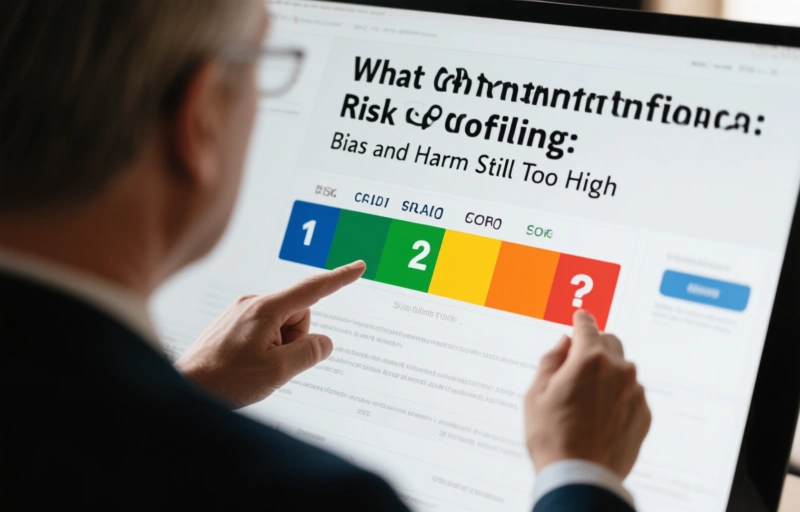
Risk profiling is when the government uses algorithms to predict who might commit fraud, break laws, or pose a security threat. Think of it like a credit score—but for everything from tax audits to airport screenings. The problem? These models often rely on historical data that reflects past discrimination.
For example, if police have historically stopped more people in certain neighborhoods, the algorithm learns that those areas are "high risk." Then it flags more people there, creating a vicious cycle. The study says that without safeguards, this isn't just a technical glitch—it's a systemic failure.
### Why Principled Measures Matter
The researchers argue that "principled measures" are the only way to prevent discrimination. What does that mean in practice?
- **Transparency**: Agencies must explain how their models work and what data they use.
- **Accountability**: There should be independent oversight to catch bias before it harms people.
- **Fairness Testing**: Algorithms should be tested on different demographic groups to ensure they treat everyone equally.
- **Right to Appeal**: People flagged by these systems need a clear way to challenge the decision.
Without these steps, the risk of discrimination stays high. The study points out that even well-intentioned profiling can accidentally punish innocent people—especially those already facing systemic barriers.
### Real-World Consequences
Consider a low-income family applying for food assistance. An algorithm might flag them for fraud because they live in a zip code with higher reported fraud rates. But that zip code may have been heavily policed, not because its residents are more dishonest. The result? They face extra scrutiny, delays, or denial of benefits they desperately need.
In another example, airport security profiling might disproportionately target travelers from certain countries or ethnic backgrounds. This not only wastes resources but also erodes trust in government institutions.
### The Call for Change
The Universiteit van Amsterdam study isn't just academic. It's a practical warning for policymakers in the U.S. and beyond. As more agencies adopt AI tools, the stakes keep rising. The authors urge governments to:
- Publish regular audits of their risk profiling systems.
- Involve community stakeholders in designing fairness standards.
- Ban the use of certain sensitive data (like race, religion, or zip code) unless absolutely necessary.
### What This Means for You
If you work in social justice, policy, or tech ethics, this study is a must-read. It shows that risk profiling isn't inherently bad—but without guardrails, it can quietly reinforce the very inequalities we're trying to fix. The good news? We already know what to do. The hard part is making it happen.
As the researchers put it: "Without principled measures, the risk of discrimination and harm remains too great." That's not just a warning—it's a roadmap.
*For more insights, check out the original study from the Universiteit van Amsterdam.*