How Racism Shapes Politics and Social Issues Today
Margriet Vermeer ·
Listen to this article~4 min
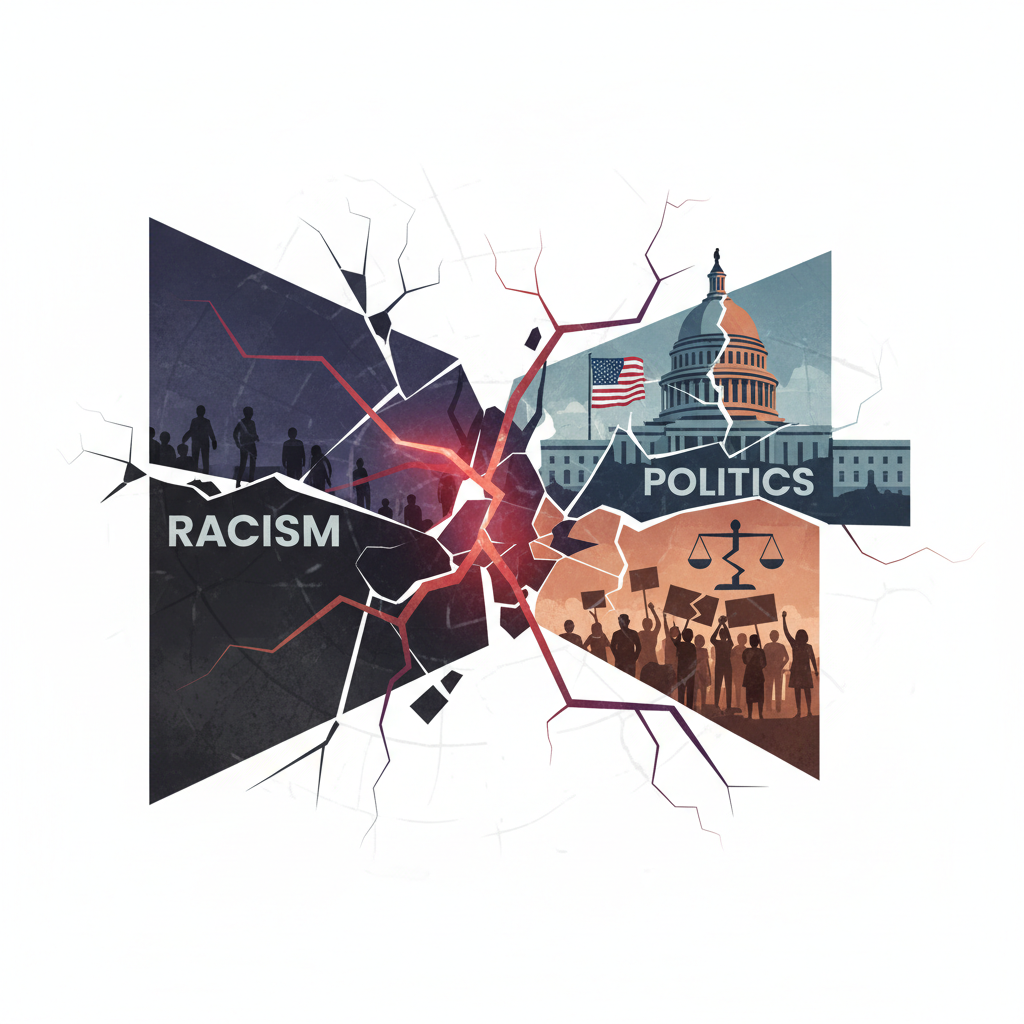
Understand how racism, politics, and social issues are connected. Learn how policies shape communities and what you can do to make a difference.
You're probably wondering how racism, politics, and social issues all fit together. Honestly? They're tangled up in ways that affect everything from voting laws to neighborhood safety. Racism isn't just a personal prejudice anymore — it's baked into policies, debated in courtrooms, and fought over on social media. And when you look at political racism definition or examples of racism in politics, you start seeing patterns that go way back. This isn't about pointing fingers. It's about understanding how these forces shape your world, whether you're paying attention or not.
### The Political Roots of Racism as a Social Issue
I remember reading about a town in Alabama that had been without proper sewage systems for decades. Mostly Black residents. The state kept saying there wasn't money. But somehow, there was always funding for new highways in wealthier, whiter areas. That's not an accident. That's politics making racism a social issue — quietly, legally, and devastatingly. So when we talk about racism in politics, we're not just talking about campaign slogans or angry speeches. We're talking about the everyday systems that decide who thrives and who just survives.
Here are a few ways this plays out:
- Housing policies that segregate neighborhoods by race
- School funding tied to property taxes, leaving poorer areas behind
- Criminal justice laws that disproportionately target communities of color
These aren't random. They're the result of decades of political decisions that prioritize some groups over others. And they affect everything from your commute to your kids' education.
### How Social Movements Change the Conversation
Side note: I've seen activists get frustrated when progress stalls. And they should be frustrated. But here's what I've learned from watching movements over the years — change rarely comes in a straight line. It's more like a messy spiral. You get a win here, a setback there. The Civil Rights Act didn't end racism. It just changed how it operates. Same with affirmative action debates or voting rights battles. Each generation faces a new version of the same fight.
"The arc of the moral universe is long, but it bends toward justice." Martin Luther King Jr. said that. But bending doesn't mean breaking. It takes constant pressure.
So is racism a political opinion? Not really. It's more like a weapon some politicians use to divide people and hold power. The opinion part is just the cover. The real action happens in policies that affect housing, education, and criminal justice. That's where the rubber meets the road.
### What This Means for You and Your Community
I've seen community groups force changes just by showing up and asking the right questions. Like, why are there no bus routes to that new hospital? Or why did the police budget go up while the library budget got cut? Those are political questions with racial implications. And when enough people ask them, things shift. Slowly, but they shift.
So don't let the national headlines distract you from your own corner of the world. Current issues in the Black community or examples of racism in politics might seem far away, but they're playing out in your town too. The question is whether you're paying attention. And whether you're ready to be part of the solution.
### Conclusion
Understanding how racism, politics, and social issues connect is the first step. The next is taking action. Check out resources on local activism and policy change — because understanding is just the beginning.