Racism, Politics, and Social Issues: The Real Link
Margriet Vermeer ·
Listen to this article~5 min
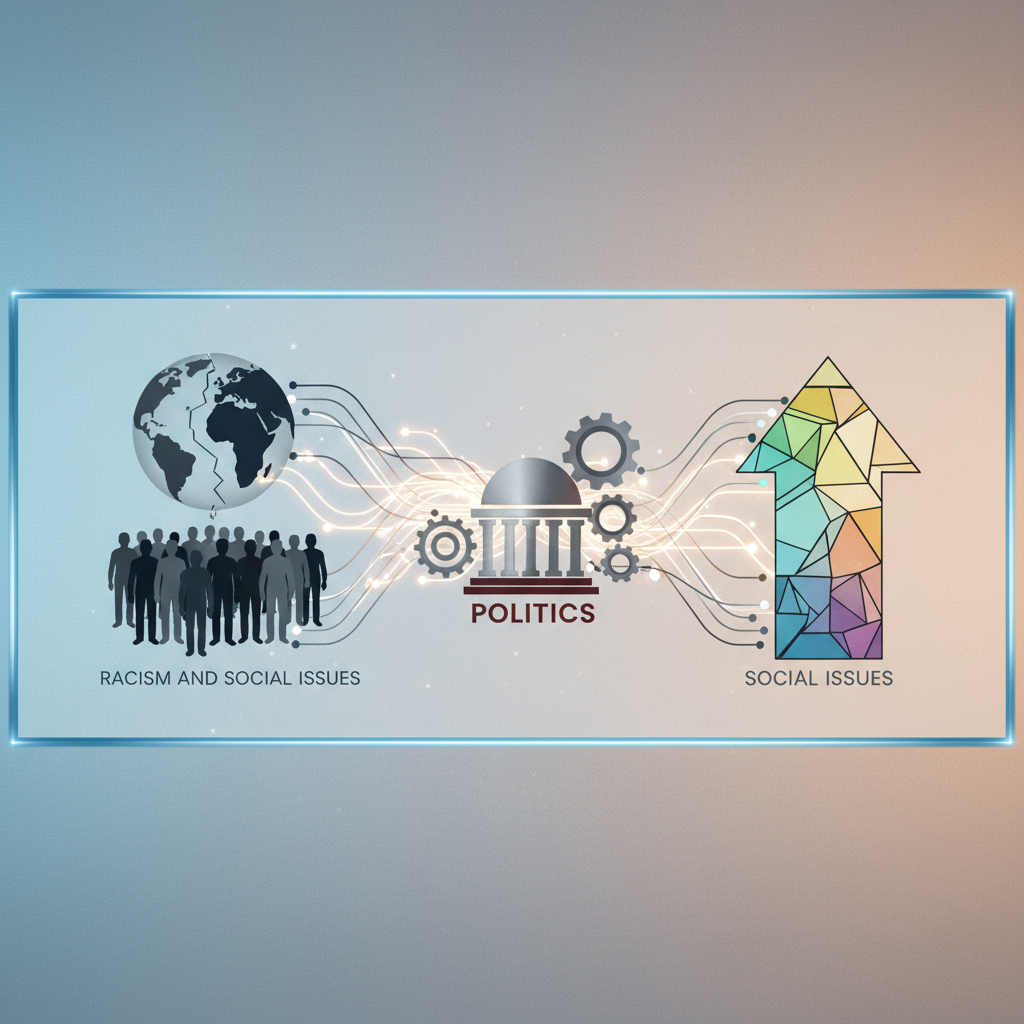
Explore how racism, politics, and social issues are deeply connected. Learn how policies shape inequality and what we can do to push for real change.
You're probably wondering how racism, politics, and social issues all fit together. Honestly, it's not always clear. Racism isn't just about individual prejudice—it's woven into policies, debates, and everyday life. And that's where politics comes in. When we talk about political racism, we're looking at how laws and systems can either fight or fuel inequality. Then there are the social issues—things like housing, education, and policing—that hit communities differently. It's messy. But understanding the connection is the first step toward real change.
### How Racism Shows Up in Politics
Let's start with the obvious: politics is where decisions get made. And those decisions? They don't affect everyone equally. Think about voting rights, for example. Certain laws—like voter ID requirements—sound neutral, but they often make it harder for people of color to vote. That's political racism in action. It's not always loud or hateful. Sometimes it's subtle, buried in bureaucracy. But the impact is real.
Then there's representation. Who's making the laws? If you look at most governments, they don't reflect the diversity of the population. That matters. Because when you don't have a seat at the table, your concerns get overlooked. Current issues in the Black community—like economic inequality or healthcare access—often get pushed aside in political debates. It's frustrating, honestly. And it's why racial justice examples often center on pushing for more inclusive policies.
Speaking of which, you ever notice how some politicians use race as a wedge? They'll talk about crime or immigration in ways that stir up fear. It's a tactic. And it works—because it taps into existing biases. But here's the thing: when we call it out, we start to see the pattern. That's the first step toward holding systems accountable.
### Is Race a Political or Social Issue?
Short answer: it's both. And pretending otherwise misses the point. Race is a social issue because it affects how people live, work, and interact. Think about racial injustice examples like disparities in housing or healthcare. Those aren't just political talking points—they're everyday struggles. A family in a predominantly Black neighborhood might have fewer grocery stores, worse schools, and less access to doctors. That's a social problem. But it's also political, because policies created those conditions.
So is racism a social justice issue? Absolutely. Social justice is about fairness—making sure everyone gets what they need to thrive. And that means addressing the systems that hold people back. Take policing, for instance. Racial profiling isn't just a bad interaction with an officer. It's a symptom of a system that treats some people as threats based on their skin color. That's both a social and political problem.
Come to think of it, the line between political and social is pretty blurry. And maybe that's okay. Because when we see the connection, we can push for change on multiple fronts. Community organizing, voting, speaking out—all of it matters. It's not about choosing one side. It's about recognizing that race touches everything.
### Moving Toward Racial Justice
So what does racial justice actually look like? It's not just about being "not racist." It's about actively creating systems that work for everyone. That means policies that address historical inequities—like reparations, affordable housing initiatives, or criminal justice reform. It also means listening to the communities most affected. They know what they need. The question is whether the rest of us will pay attention.
There are plenty of racial justice examples out there. Some cities have started rethinking how they fund public safety—moving money from policing to mental health services and community programs. Others are getting going fair housing laws to undo decades of segregation. These changes don't happen overnight. But they show what's possible when we connect the dots between racism, politics, and social issues.
Here are some key steps we can all take:
- Educate ourselves on how policies create inequality
- Vote for leaders who prioritize racial justice
- Support community organizations fighting for change
- Speak out when we see injustice, even if it's uncomfortable
> "Injustice anywhere is a threat to justice everywhere." — Martin Luther King Jr.
This quote reminds us that these issues aren't separate. They're all connected. And when we understand that link, we can start building a fairer world for everyone.