Why Racism, Politics, and Social Justice Are Inseparable
Margriet Vermeer ·
Listen to this article~5 min
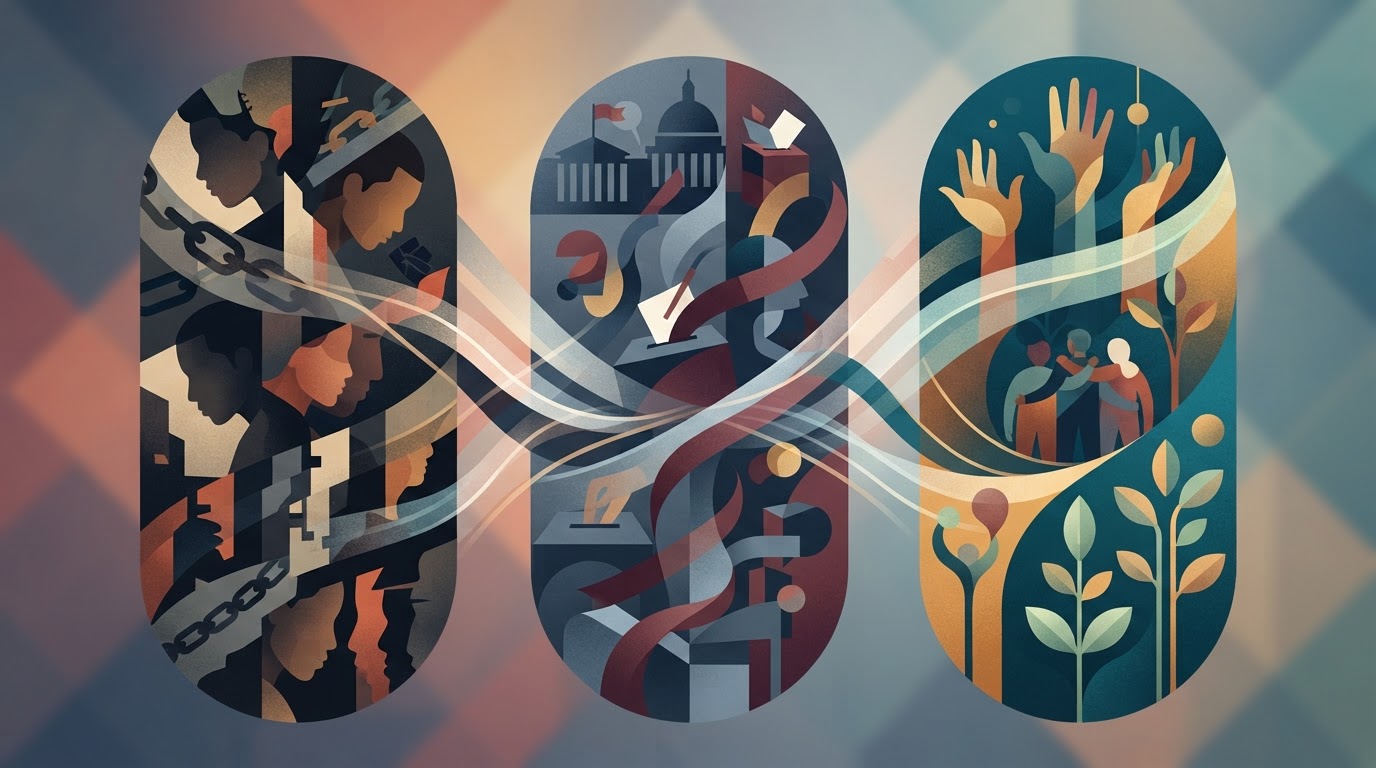
Racism isn't just personal prejudice—it's a system woven into politics and policy. Discover how social and political forces feed each other, and what you can do to break the cycle.
You're probably wondering how racism, politics, and social issues all fit together. Honestly, it's a tangled mess, but that's exactly why we need to talk about it. Racism isn't just a personal prejudice; it's a system that shapes policies, communities, and everyday lives. And when politics gets involved, things get even more complicated. So let's break it down together, without the jargon or the spin.
### Is Racism a Social or Political Issue?
Here's the thing – it's both. You can't separate them. Racism shows up in social settings – who gets hired, who gets housing, who gets stopped by police. But those social patterns are often baked into political decisions. Redlining, for example, was a government policy that literally drew lines around Black neighborhoods, denying loans and investment. That wasn't just a social attitude; it was legislation.
So when people ask if racism is social or political, the answer is: yes. It's a feedback loop. Political choices create social conditions, and social conditions shape political beliefs. And that loop keeps turning. You see it in current issues in the Black community – disparities in healthcare, education, and wealth. These aren't accidents. They're the result of decades of policy choices.
When we talk about racial justice examples, we're talking about efforts to break that cycle. Things like criminal justice reform, voting rights protections, and equitable school funding. Those are political solutions to social problems. It's messy, but it's real.
### Racial Injustice Examples That Hit Close to Home
Let's get concrete, because abstract talk doesn't land. Think about the racial resentment scale questions – you know, the ones that measure attitudes like 'Black people should just work harder' or 'They're getting too demanding.' Those aren't just survey items; they reflect a political narrative that blames individuals instead of systems. That's racial injustice in action – when the story we tell ourselves ignores the structural barriers.
Another example: voter ID laws. On the surface, they sound neutral. But they disproportionately affect Black and brown communities, who are less likely to have the required IDs. That's a political social issue if I've ever seen one.
Or consider the school-to-prison pipeline – where zero-tolerance policies push kids out of classrooms and into the justice system. Black students are far more likely to be suspended or expelled for the same behaviors as white students. That's not just a social issue; it's a policy failure.
These are the racial justice issues that don't make the front page every day, but they shape lives. And they're not abstract – they're lived experiences. When we talk about racism in politics today, we're talking about who gets to vote, who gets to learn, who gets to live in safe neighborhoods. It's personal, and it's political.
### The Social Impacts of Racism – And What We Can Do
The social impacts of racism are everywhere, even if you don't see them directly. It's the chronic stress of navigating a world that treats you as less than. It's the health disparities – higher rates of hypertension, diabetes, and maternal mortality in Black communities. It's the wealth gap that persists, even when education levels are the same.
These aren't just statistics; they're the toll of living in a society that's still sorting people by race. And here's the kicker – these impacts don't just hurt the targets. They hurt everyone. When we exclude people from opportunity, we all lose out on their talents, ideas, and contributions. That's not a moral argument; it's a practical one.
So what can we do? Start by paying attention to the top 5 social justice issues:
- Voting rights
- Criminal justice reform
- Economic equity
- Healthcare access
- Education
Pick one and get involved. It could be as simple as volunteering, or as bold as running for local office. The point isn't to solve everything overnight. It's to recognize that these systems were built by people, and people can rebuild them.
### Why This Matters for All of Us
Look, none of this is easy to digest. But ignoring it doesn't make it go away. The feedback loop between politics and racism is real, and it's running in real time. The good news? Loops can be broken. Policies can change. Communities can heal.
Start where you are. Have the uncomfortable conversation with your neighbor. Show up to a city council meeting. Support organizations doing the work. Because when we talk about racism, politics, and social issues, we're not just discussing abstract ideas – we're shaping the world we want to live in. And that's worth fighting for.